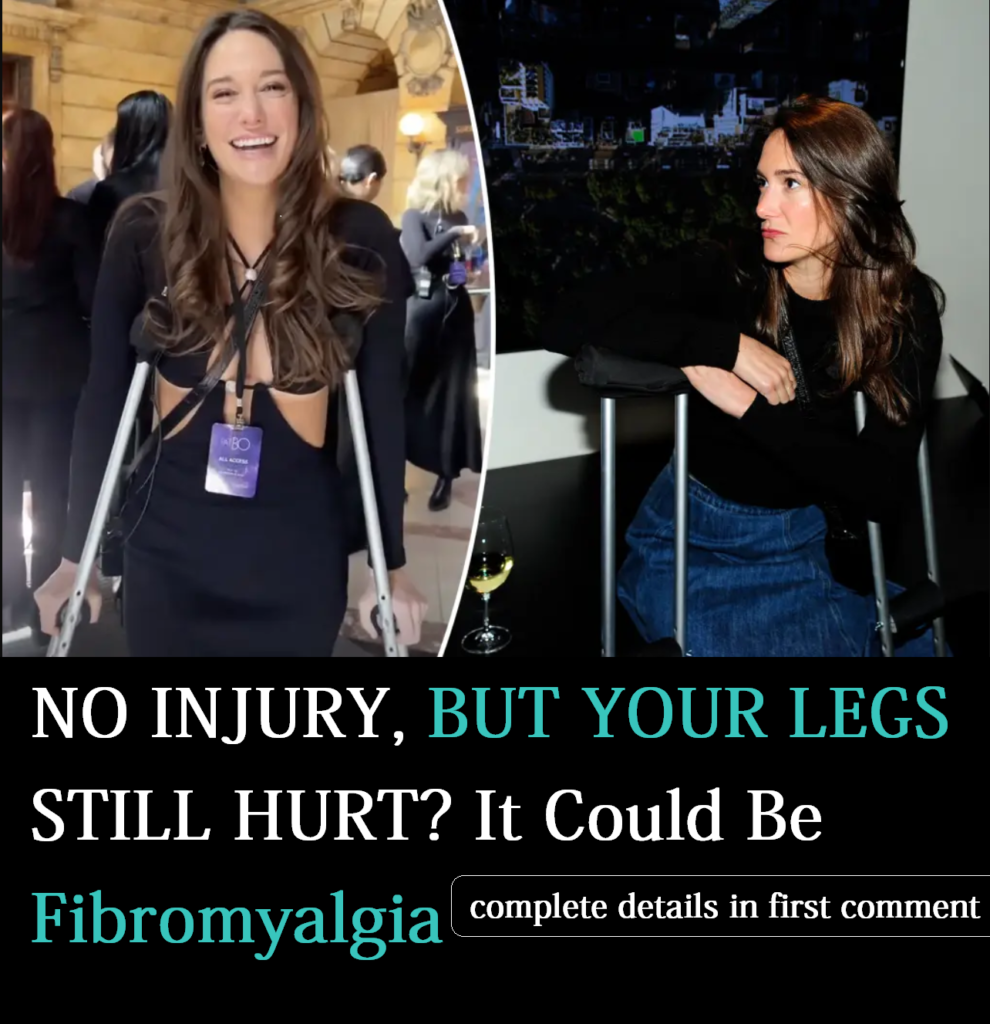
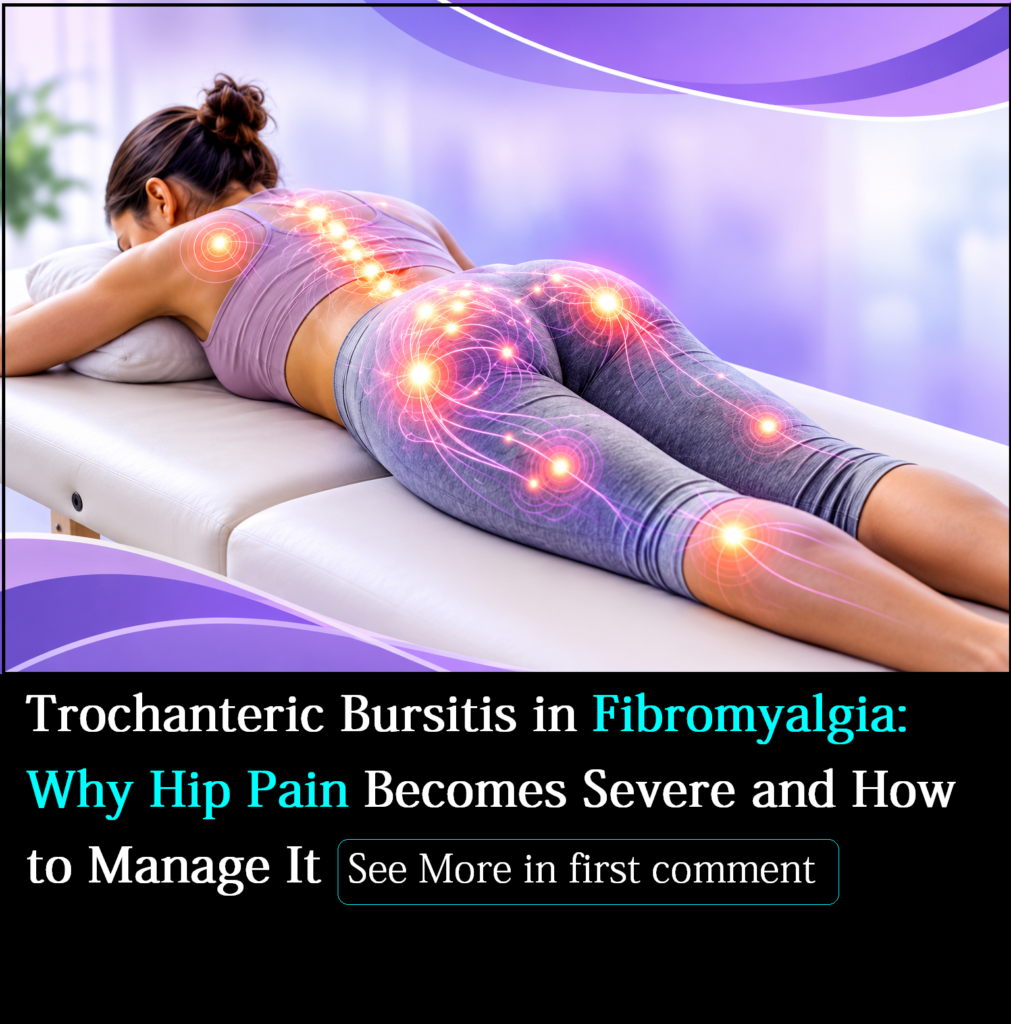
Living with fibromyalgia often means navigating a wide range of complex and sometimes invisible symptoms. Among these, the sensation of heavy and aching legs is one of the most challenging. Unlike typical muscle fatigue or soreness after exercise, fibromyalgia-related leg discomfort is persistent, diffuse, and can occur even at rest. For many, this symptom significantly impacts mobility, daily routines, and overall quality of life.
In this article, we will explore the causes, symptoms, and management strategies for heavy legs in fibromyalgia, helping both patients and caregivers better understand this common and often misunderstood aspect of the condition.
What Causes Heavy Legs in Fibromyalgia?
Fibromyalgia is a chronic disorder characterized by widespread musculoskeletal pain, fatigue, and a heightened sensitivity of the central nervous system. This hypersensitivity causes the brain to interpret normal sensory signals from the body as intense pain, a phenomenon known as central sensitization.
In the case of the legs, this means that everyday movements—standing, walking, climbing stairs, or even sitting for extended periods—can feel extraordinarily painful. The legs are constantly engaged in supporting posture and movement, and in a sensitized nervous system, this ongoing activity translates into persistent sensations of heaviness, stiffness, and fatigue.
Even in the absence of visible inflammation, injury, or structural changes, fibromyalgia can cause the brain to amplify signals from muscles, joints, and tendons, creating a deep and uncomfortable sensation of weight. Many patients describe their legs as feeling “stuck,” “loaded,” “burning,” or “weak,” reflecting the combination of pain and exhaustion that accompanies this symptom.
Key takeaway: The heaviness of the legs is not a reflection of physical weakness but rather a manifestation of nervous system overload.
Recognizing the Symptoms of Heavy Legs
Heavy legs in fibromyalgia often manifest alongside other symptoms, making the experience multi-dimensional and difficult to manage. Some of the most common associated sensations include:
-
Muscle stiffness: A persistent tightness that makes movements feel restricted, even after rest.
-
Swelling sensation without actual edema: Patients may feel their legs are swollen or puffy, although medical examinations show no fluid retention.
-
Tingling or diffuse discomfort: Pins-and-needles sensations or general discomfort can accompany the feeling of heaviness.
-
Difficulty initiating movement: Starting to walk or stand may feel laborious, as if the legs are resisting action.
These symptoms can fluctuate throughout the day. Many people notice that their legs feel more fatigued in the evening or after performing simple tasks such as walking short distances or climbing a few stairs. In some cases, discomfort intensifies at night, affecting sleep quality and contributing to next-day fatigue.
SEO tip: Keywords like “fibromyalgia leg pain,” “heavy legs fibromyalgia,” “leg fatigue,” and “muscle stiffness fibromyalgia” can help improve search visibility for this topic.
Why Medical Tests Often Appear Normal
One of the most frustrating aspects of heavy legs in fibromyalgia is that standard medical tests—blood work, X-rays, MRIs, and neurological exams—often fail to identify any underlying structural, vascular, or muscular issue. This discrepancy can lead to misunderstandings, misdiagnosis, or even skepticism from others about the legitimacy of the pain.
The reason lies in the root cause of the symptom. Heavy legs are not caused by muscle damage or weakness but by the brain and nervous system’s altered processing of sensory signals. Fibromyalgia affects how the central nervous system perceives pain, amplifying ordinary sensations and creating a persistent feeling of discomfort without observable physical changes.
Understanding this distinction is crucial: heavy legs are a real, valid symptom of fibromyalgia, and recognizing this can help reduce stigma, improve self-care, and guide appropriate symptom management.
Daily Challenges and Lifestyle Impact
The sensation of heavy legs can significantly limit mobility and affect daily life. Tasks that seem simple—walking to the mailbox, standing in line, or climbing a few stairs—can become exhausting and painful. Over time, this can lead to secondary issues, including:
-
Reduced independence in daily activities
-
Avoidance of physical activity due to pain, potentially worsening stiffness
-
Emotional distress, including anxiety or frustration, due to chronic discomfort
-
Sleep disruption when leg pain intensifies at night
For people with fibromyalgia, these challenges are not indicative of laziness or weakness. Instead, they reflect the impact of central sensitization and chronic nervous system overload. Recognizing this symptom as part of the disease is essential for validating pain and promoting empathy from family, friends, and healthcare providers.
Effective Management Strategies
While heavy legs cannot be “cured” in fibromyalgia, several strategies can help reduce discomfort and improve mobility. Combining lifestyle adjustments, gentle exercise, and symptom-specific therapies often yields the best results.
1. Gentle, Low-Impact Exercise
Activities like swimming, walking on soft surfaces, stationary cycling, or yoga can strengthen leg muscles, improve circulation, and reduce stiffness without overloading the nervous system.
2. Stretching and Mobility Techniques
Gentle stretching and range-of-motion exercises can ease muscle tension and reduce the sensation of stiffness. Incorporating these into daily routines—especially before bedtime—may also improve sleep quality.
3. Heat Therapy
Warm baths, heating pads, or localized heat treatments can help relax muscles and reduce the perception of heaviness in the legs.
4. Mind-Body Practices
Meditation, deep breathing, and progressive muscle relaxation can help manage the stress and anxiety that often exacerbate fibromyalgia symptoms, including leg discomfort.
5. Sleep Hygiene and Rest
Prioritizing quality sleep is essential for managing fibromyalgia. Elevated leg discomfort at night can be mitigated by establishing a consistent bedtime routine, using supportive bedding, and practicing relaxation techniques.
6. Professional Support
Consulting with healthcare professionals who specialize in fibromyalgia—such as rheumatologists, physical therapists, or pain management specialists—can provide tailored interventions and guidance.
When to Seek Medical Advice
Although heavy legs are a common fibromyalgia symptom, it is important to rule out other possible causes, such as circulatory issues, nerve compression, or musculoskeletal injuries. Seek medical attention if you notice:
-
Sudden or severe leg swelling
-
Persistent numbness or weakness
-
Pain that worsens rapidly or does not improve with rest
-
Changes in skin color or temperature
These signs may indicate conditions unrelated to fibromyalgia and require prompt evaluation.
Coping with the Emotional Impact
Living with persistent leg discomfort can take a toll on mental and emotional well-being. People with fibromyalgia often experience frustration, sadness, or anxiety due to the unpredictable nature of symptoms. Developing coping strategies—such as support groups, counseling, or journaling—can be instrumental in managing the psychological effects of chronic pain.
Recognizing heavy legs as a legitimate fibromyalgia symptom also fosters self-compassion. Patients can reframe the experience, understanding that the discomfort is a product of a sensitive nervous system rather than personal weakness or inactivity.
Conclusion: Understanding, Validating, and Managing Heavy Legs
Heavy and aching legs in fibromyalgia are more than simple muscle fatigue—they reflect the complex interaction between the nervous system and sensory perception. While these sensations can be debilitating, understanding their origin, recognizing associated symptoms, and implementing practical management strategies can significantly improve quality of life.
Acknowledging that leg discomfort is real and valid is the first step toward effective symptom management. By combining gentle movement, self-care, and professional guidance, individuals living with fibromyalgia can reduce pain, preserve mobility, and maintain independence.